The Seattle Police Department Manual serves as the definitive guide for officers, supervisors, and administrative staff, outlining core values, operational protocols, and legal frameworks that govern daily duties and strategic initiatives across the city. Ensuring transparency, community trust.
Purpose and Scope
The Seattle Police Department Manual serves as a foundational guide, outlining the department’s mission, values, and operational standards.The Seattle Police Department Manual serves as a foundational guide, outlining the department’s mission, values, and operational standards.The Seattle Police Department Manual serves as a foundational guide, outlining the department’s mission, values, and operational standards.The Seattle Police Department Manual serves as a foundational guide, outlining the department’s mission, values, and operational standards.The Seattle Police Department Manual serves as a foundational guide, outlining the department’s mission, values, and operational standards.The Seattle Police Department Manual serves as a foundational guide, outlining the department’s mission, values, and operational standards.The Seattle Police Department Manual serves as a foundational guide, outlining the department’s mission, values, and operational standards.The Seattle Police Department Manual serves as a foundational guide, outlining the department’s mission, values, and operational standards.The Seattle Police Department Manual serves as a foundational guide, outlining the department’s mission, values, and operational standards.The Seattle Police Department Manual serves as a foundational guide, outlining the department’s mission, values, and operational standards.The Seattle Police Department Manual serves as a foundational guide, outlining the department’s mission, values, and operational standards.It promotes accountability, ethical conduct, and improvement in all policing activities.

Organizational Structure
The Seattle Police Department is organized into a clear hierarchy with a Chief, Deputy Chiefs, and divisions such as Patrol, Investigations, and Community Outreach. Each unit follows defined protocols to ensure accountability and effective service delivery for all.
Command Hierarchy
At the apex of the Seattle Police Department stands the Police Chief appointed by the city council and accountable for direction implementation and operational readiness Directly beneath the Chief are two Deputy Chiefs each overseeing a major functional area: Operations and Administration The Operations Deputy Chief commands the Patrol Investigations and Tactical units ensuring that frontline officers receive clear directives adequate resources and timely support The Administration Deputy Chief manages personnel budgeting and community relations aligning departmental resources with citywide priorities and legal requirements Beneath the Deputy Chiefs each division is headed by a Division Commander who reports to the appropriate Deputy Chief Division Commanders supervise Major Captain and Lieutenant ranks delegating authority to Sergeants and Officers while maintaining accountability for mission execution The chain of command extends down to the patrol shift commander who coordinates daily patrol schedules incident response and field training Throughout this hierarchy a formalized reporting structure—comprising written directives briefings and digital dashboards ensures transparency rapid decision‑making and consistent adherence to departmental policies This layered framework not only facilitates efficient command and control but also embeds a culture of accountability professional development and community engagement across all levels of the department

Policies and Procedures
Seattle Police Department policies guide conduct, equipment use, data handling, and community interactions. Procedures ensure consistency, legal compliance, and accountability across all operational levels, fostering transparency and trust and community partnership
Use of Force Guidelines
The Seattle Police Department’s Use of Force policy sets a progressive framework that prioritizes de-escalation, proportionality, and accountability. Officers assess threat levels, consider alternatives, and apply the minimum force needed. Options include verbal commands, physical restraint, non-lethal weapons, and lethal force as a last resort. Each option has procedural steps, required documentation, and post-incident review to meet state law, federal standards, and community expectations. Continuous training, scenario exercises, and performance reviews reinforce ethical decisions and reduce escalation. Officers record incidents in the digital system with context, justification, and evidence such as video or witness statements. Supervisors audit records; deviations trigger investigations. Annual refresher courses cover legal updates, cultural competency, and crisis intervention. Embedding these principles protects public safety while upholding civil liberties and fostering trust in Seattle’s diverse communities.
The policy also includes oversight with an independent review board, community liaison feedback, and transparent public reporting. Officers engage community stakeholders during training to ensure cultural sensitivity. Quarterly force usage reports are publicly available, guiding policy revisions and resource allocation. This iterative process adapts guidelines to emerging best practices, technology, and Seattle’s evolving needs.
Training emphasizes realistic scenario drills, body-worn camera usage, and de-escalation techniques. Officers receive quarterly data reviews to identify patterns and adjust tactics. The department collaborates with local schools, faith groups, and civic organizations to promote transparency and gather feedback ensuring that use-of-force practices reflect community values and evolving legal standards. Continuous improvement is embedded in every stepand accountability.—

Community Policing Initiatives
Seattle’s Community Policing Initiative builds trust through neighborhood councils, youth mentorship, joint problem‑solving, and data‑driven outreach, fostering safety and partnership with residents Officers hold monthly forums, ensuring transparency and policing

Outreach Programs
Seattle’s outreach strategy links officers with residents through programs that build trust and reduce crime. Key initiatives include Neighborhood Watch Collaboration, Youth Engagement workshops, and Crisis Response teams that de‑escalate incidents involving mental health.
- Community Safety Forums: Monthly town‑hall meetings let residents voice concerns and co‑create prevention plans with officers.
- Neighborhood Patrol Partnerships: Officers conduct regular foot patrols, engaging directly with pedestrians and business owners to spot safety gaps.
- Public Education Campaigns: Digital workshops cover cyber‑security, domestic‑violence prevention, and emergency preparedness, shared through community centers and online platforms.
- Volunteer Liaison Program: Community volunteers assist with non‑law‑enforcement tasks—organizing clean‑ups, distributing health kits, and facilitating language‑access services while maintaining clear boundaries with official policing duties. They coordinate with NGOs to support at‑risk youth and neighborhood projects and outreach!!
All outreach efforts are evaluated quarterly using satisfaction scores, rates, and partnership engagement levels; Data is shared transparently with the public via an interactive dashboard, ensuring accountability and continuous improvement of Seattle’s community policing. Stakeholders review metrics monthly, adjusting outreach to meet community needs. Data is public now!!.
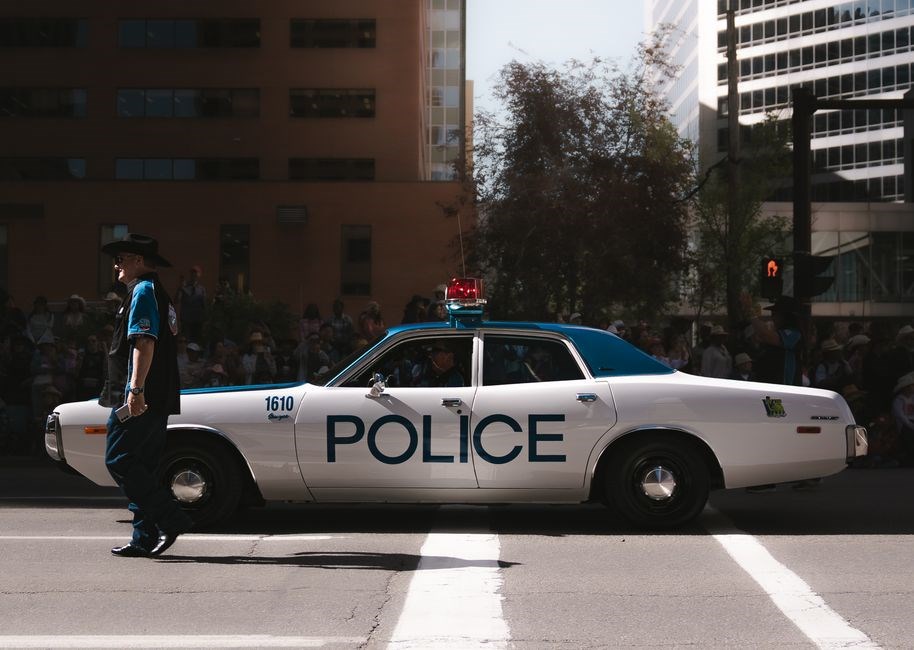
Training and Professional Development
All officers complete a curriculum blending classroom theory, scenario‑based training, and field exercises. The program stresses de‑escalation, cultural competency, and legal updates, ensuring readiness for community needs. Continuous learning mandatory.
Academy and Continuing Education
New recruits begin at the Seattle Police Academy, a 16‑week program that blends classroom instruction, practical drills, and field training. The curriculum covers criminal law, constitutional rights, forensic science, and advanced firearms proficiency. Emphasis on de‑escalation techniques, mental health awareness, and community engagement prepares officers for diverse scenarios.
After graduation, officers enter the Continuing Education Program, a mandatory schedule of quarterly workshops and annual refresher courses. Topics include updated legal statutes, emerging technology, cyber‑crime investigation, and cultural competency. The program also offers specialized tracks—such as K‑9, SWAT, and traffic enforcement—allowing officers to pursue certifications aligned with career goals.
Professional development extends beyond classroom learning. The department partners with local universities for dual‑degree opportunities, offers tuition assistance for advanced degrees in criminal justice or public administration, and sponsors attendance at national law‑enforcement conferences. Mentorship initiatives pair seasoned officers with new hires, fostering knowledge transfer and leadership growth. Performance metrics track completion rates, exam scores, and skill proficiency. Officers who exceed benchmarks receive recognition, promotion consideration, and eligibility for leadership training. The Academy and Continuing Education framework ensures a highly skilled, adaptable workforce committed to public safety and community trust.

Internal Affairs and Accountability
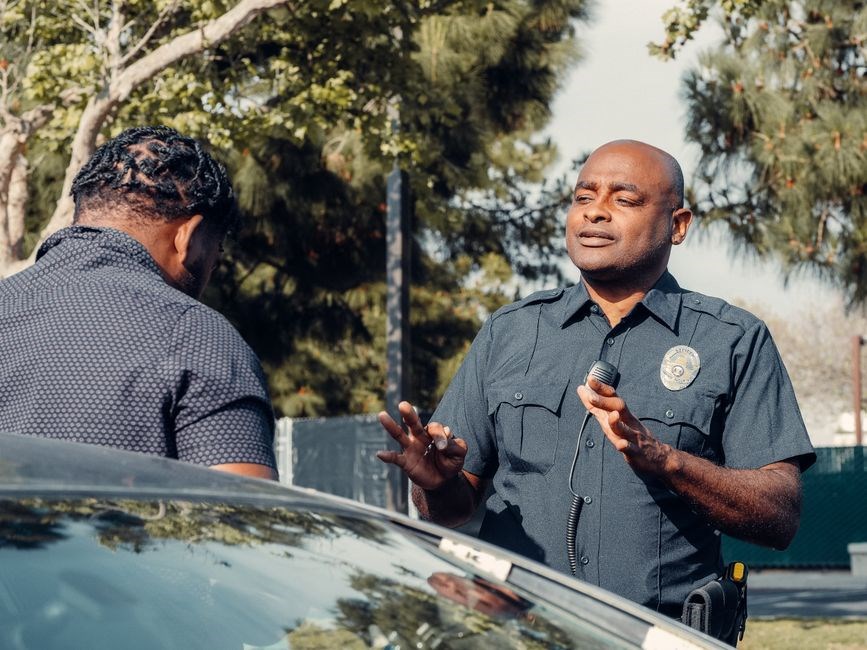
The Internal Affairs Division investigates misconduct, ensures compliance with policies, and fosters transparency. Officers report incidents, undergo audits, and receive corrective training. Reports maintain accountability, reinforcing community trust!!!
Investigations and Audits
The Seattle Police Department’s Internal Affairs Division conducts thorough, impartial investigations into all allegations of misconduct, ensuring adherence to the department’s standards and legal obligations. Each case is documented, evidence collected, and findings reported to the appropriate oversight bodies. Audits of operational procedures, use‑of‑force incidents, and resource allocation are performed quarterly to identify systemic issues and recommend corrective actions. Officers receive mandatory debriefings and training updates based on audit outcomes. The division maintains a transparent reporting system accessible to the public, fostering accountability and reinforcing community trust. All investigative reports are archived for a minimum of five years, allowing longitudinal analysis of trends and effectiveness of reforms. The division’s independent oversight panel reviews high‑profile cases, ensuring no conflicts of interest influence outcomes. Continuous improvement is achieved through collaboration with external agencies, community stakeholders, and academic researchers, integrating best practices and emerging standards into departmental policy. This rigorous framework upholds the integrity of law enforcement operations and safeguards the rights of all citizens. The division also offers a whistleblower protection program that encourages staff to report concerns without fear of retaliation, fostering integrity and accountability, continuous policy improvement..! Oversight ensures transparency!!!
Appendices and References
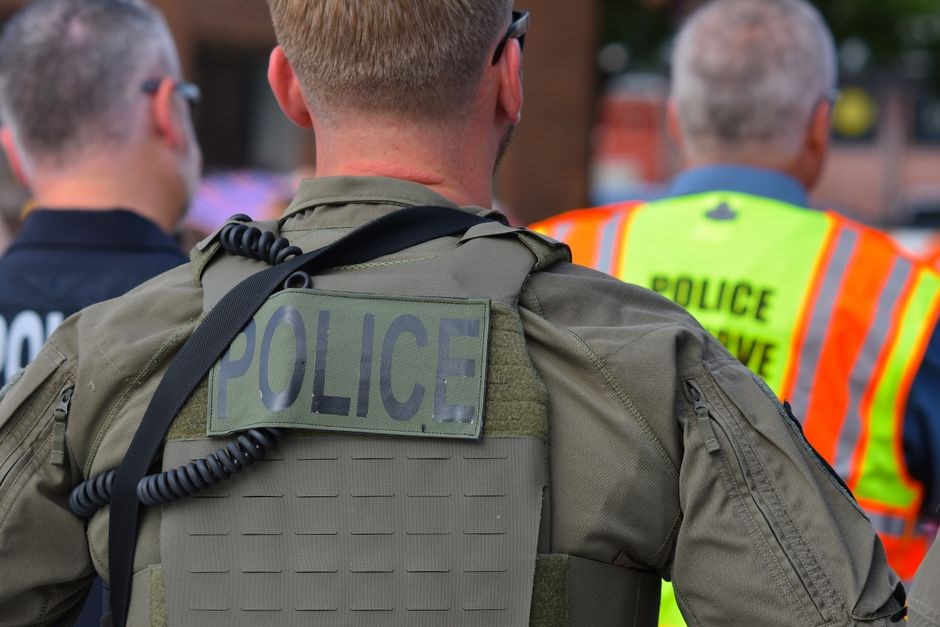
Appendix A: Glossary of terms used throughout the manual. Appendix B: List of acronyms and their definitions. Appendix C: Reference documents, including federal guidelines, state statutes, and city ordinances that inform policy. Sources cited for transparency .!!!——————

Glossary and Acronyms
- ACRONYM: Definition.
- AP: Administrative Personnel.
- BC: Behavioral Crisis.
- CAP: Community Assistance Program.
- DCI: Departmental Crime Initiative.
- ED: Evidence Disclosure.
- FIR: First Information Report.
- GEO: Geographic Information.
- HMI: Human-Machine Interface.
- ICD: Incident Command Directive.
- JOP: Juvenile Outreach Program.
- KPI: Key Performance Indicator.
- LAP: Liaison and Public Affairs.
- MOI: Method of Investigation.
- NSP: Neighborhood Safety Patrol.
- OPP: Officer Performance Protocol.
- PD: Police Department.
- QIP: Quality Improvement Plan.
- RAP: Rapid Assessment Protocol.
- SC: Safety Committee.
- TP: Tactical Patrol.
- UAP: Unified Asset Protection.
- VAP: Victim Assistance Program.
- WIP: Workplace Incident Protocol.
- XIP: eXternal Incident Processing.
- YAP: Youth Assistance Program.
- ZAP: Zero-Accident Protocol.
- ABC: Advanced Behavioral Coordination.
- DEF: Digital Enforcement Framework.
- GHI: Geographic Hazard Index.
- JKL: Joint Liaison Liaison.
- MNO: Multi-Agency Outreach Network.
- PQR: Public Relations Quality Review.
A



0 Comments