Overview of Revelation Study Guides
Revelation study guides offer concise‚ accessible explanations of apocalyptic themes‚ enabling readers to explore prophetic symbolism and historical context; PDF versions provide structured chapters‚ cross‑references‚ and study questions for self‑paced learning․!
Purpose of Revelation Study Guides
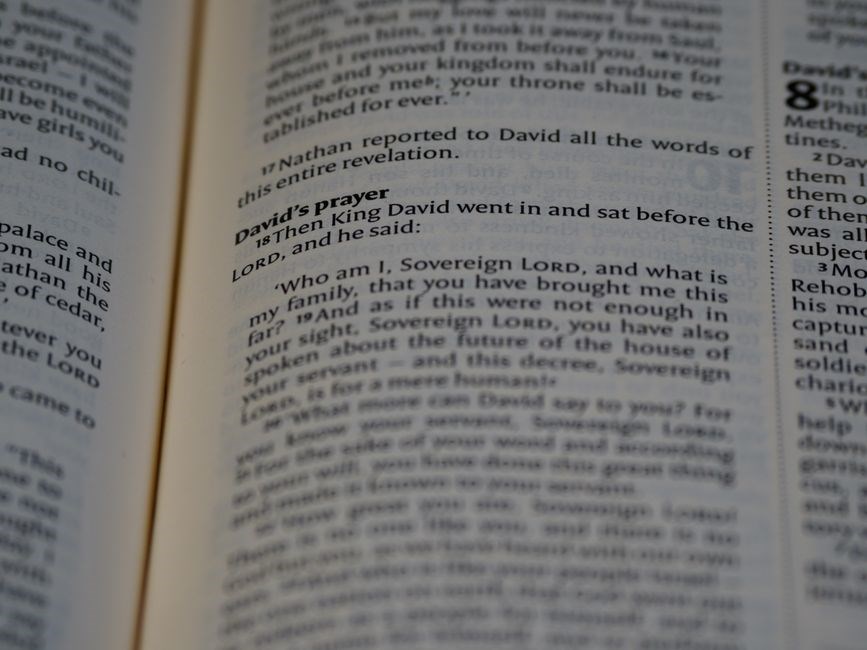
Revelation study guides in PDF format are crafted to make the complex apocalyptic text of the New Testament’s final book more approachable for modern readers․ By offering clear introductions‚ contextual background‚ and thematic summaries‚ these guides help students and laypeople alike to navigate the dense symbolism‚ prophetic language‚ and historical setting that often confound casual study․ The primary purpose is to facilitate comprehension through structured learning modules that break the narrative into manageable sections‚ each accompanied by key questions‚ cross‑references‚ and concise explanations of symbolic imagery such as the seven seals‚ the four horsemen‚ and the New Jerusalem․ Free PDFs remove financial barriers‚ allowing anyone to access scholarly commentary‚ theological interpretations‚ and comparative studies without cost․ Additionally‚ many guides incorporate features—such as embedded quizzes‚ flashcards‚ and worksheets—to reinforce retention and encourage active engagement․ By integrating these tools‚ the guides support both individual study and group discussion‚ making them ideal for church study groups‚ academic courses‚ and personal devotional use․ Ultimately‚ the goal is to empower readers to interpret Revelation’s prophetic vision critically‚ connect it to contemporary faith contexts‚ and apply its teachings to personal growth and community life․

Finding Free PDF Resources
Explore official church sites‚ academic publishers‚ and community libraries for free Revelation study guide PDFs․ Many institutions offer downloadable commentaries‚ concordances‚ and study aids that are accessible at free cost!
Official Church Websites
Many denominational portals host a wealth of free PDF materials tailored to Revelation studies․ For instance‚ the United Methodist Church’s online library offers a downloadable “Revelation Study Guide” that covers key themes‚ historical background‚ and symbolic imagery with cross‑references to Scripture․ The Catholic Resources Network provides a “Revelation Companion” PDF that includes chapter summaries‚ discussion questions‚ and a glossary of prophetic terms․ The Lutheran World Federation hosts a series of “Apocalyptic Insights” PDFs‚ each focusing on a different vision from the Book of Revelation‚ with annotations from respected theologians․ The Anglican Communion’s Digital Archive supplies a “Revelation Study Packet” that contains a concise commentary‚ a timeline of prophetic events‚ and a set of reflective prompts for small‑group study․ Additionally‚ the Presbyterian Church (USA) offers a “Revelation Review” PDF that integrates historical-critical analysis with contemporary application‚ making it suitable for both academic and devotional use․ These resources are freely accessible after a simple email registration‚ ensuring that scholars‚ pastors‚ and lay readers can download‚ print‚ and share the materials without cost․ By leveraging these official church sites‚ users gain reliable‚ theologically sound content that aligns with denominational teachings and supports in‑depth exploration of Revelation’s complex narrative․ These guides also contain study questions and prompts for group discussion․
Academic Publishers and Open Access
Academic publishers such as Cambridge University Press‚ Oxford University Press‚ and Brill offer downloadable PDF study guides on Revelation that are often available through institutional subscriptions․ However‚ open‑access initiatives have broadened free access․ The Digital Commons Network hosts peer‑reviewed commentaries‚ while the Open Library of the Bible provides a series of “Revelation Study PDFs” that include exegetical notes and thematic maps․ Scholars can also locate pre‑prints on arXiv and SSRN‚ where authors upload full‑length analyses of apocalyptic symbolism․ University repositories—such as MIT’s DSpace or Yale’s Open Repository—contain theses and dissertations that include chapter‑by‑chapter guides․ The Directory of Open Access Journals (DOAJ) lists several evangelical and interfaith journals that publish concise Revelation reviews‚ often accompanied by downloadable PDFs․ Additionally‚ the Open Theology Project curates a collection of free‚ peer‑reviewed study aids that cover historical context‚ textual criticism‚ and prophetic interpretation․ By leveraging these open‑access resources‚ students and pastors can obtain high‑quality‚ scholarly commentary without subscription barriers‚ ensuring that the study of Revelation remains accessible to a global audience․ These PDFs can be printed for personal study now․
Community Forums and Libraries
Community forums such as Reddit’s r/Christianity‚ Christianity Stack Exchange‚ and BibleStudy․org host threads where members share links to freely downloadable Revelation study PDFs․ Users often post PDFs from the Internet Archive and Project Gutenberg‚ which host older commentaries and study guides that remain in the public domain․ Many university libraries now offer digital lending services; for example‚ the University of Oxford’s Bodleian Library provides access to a curated set of Revelation commentaries that can be downloaded as PDFs for a short-term loan․ The National Library of Australia’s Trove aggregates scanned copies of early 20th‑century study guides‚ while the Library of Congress’s Digital Collections hosts a selection of theological texts‚ including Revelation commentaries‚ available for free download․ Additionally‚ the Open Library platform allows users to borrow PDF copies of scholarly works on Revelation‚ and the Internet Archive’s Open Library offers a “Revelation Study Guide” collection that can be downloaded or read online․ By engaging with these community resources‚ readers can access a range of free PDFs that cover historical context‚ symbolic interpretation‚ and prophetic analysis without cost․
Key Content Areas Covered
Free PDFs highlight Revelation’s historical backdrop‚ symbolic motifs‚ prophetic timelines‚ and debates․ They offer chapter summaries‚ cross‑references‚ study questions‚ and aid for deeper comprehension․Use these PDFs for study

Historical Context
Revelation‚ written by John of Patmos‚ reflects the turbulent climate of the late first century AD‚ when Christian communities faced persecution under Roman rule․ Scholars date the book to 95–96 CE‚ a period marked by the reign of Emperor Domitian and the rise of imperial cults that threatened early Christian identity․ The text’s apocalyptic language draws on Jewish prophetic traditions‚ particularly the Book of Daniel and the Septuagint’s apocalyptic literature‚ while also incorporating contemporary Greco‑Roman imagery such as the “beast” and the “mark of the beast․” Many scholars argue that the author used symbolic numerology—such as the number seven to convey theological truths rather than literal predictions․ The setting of Patmos‚ a remote island in the Aegean Sea‚ provided John with isolation and a strategic distance from Rome‚ allowing him to compose a visionary narrative that could be circulated clandestinely among persecuted believers․ Early church fathers‚ including Irenaeus and Tertullian‚ interpreted Revelation as a coded message of hope‚ encouraging Christians to endure suffering with the promise of divine vindication․ Modern exegetes continue to debate whether the book’s events are historical‚ symbolic‚ or a mixture of both‚ often citing archaeological findings from the Roman Empire․
Symbolism and Imagery
Revelation’s symbolic landscape is dense with visual motifs that convey theological truths․ The “seven churches” represent the spectrum of Christian experience‚ while the “seven trumpets” and “seven bowls” illustrate progressive divine judgment․ The “four horsemen” symbolize war‚ famine‚ pestilence‚ and death‚ echoing the Book of Daniel’s apocalyptic vision․ The “beast” with seven heads and ten horns embodies the political powers that oppose God‚ and the “false prophet” who performs miracles reflects false teaching․ The “mark of the beast” (666) is a symbolic number signifying allegiance to worldly authority․ The “new Jerusalem” is depicted as a radiant city‚ its walls made of jasper and gates of pearl‚ symbolizing purity and divine perfection․ The “tree of life” and the “river of the water of life” echo Edenic imagery‚ promising restoration․ The “lion” and “ox” in the “lamb’s book of life” illustrate the paradox of strength and sacrifice․ The “seal” on the scroll‚ the “angelic trumpets‚” and the “angelic hosts” underscore the heavenly dimension of Revelation’s narrative․ These images function as a coded language that invites readers to interpret the hidden meanings behind the literal text‚ encouraging a deeper engagement with the prophetic message․ These symbols invite readers to explore the interplay between sovereignty‚ human agency revealing layers of meaning that resonate across ages ever!․
Prophetic Interpretation
Revelation’s prophetic vision is layered‚ inviting readers to discern symbolic‚ historical‚ and future dimensions․ Scholars divide interpretations into three main streams: preterist‚ historicist‚ and futurist․ Preterists view the events as largely fulfilled in the first century‚ arguing that the “seven churches” and the “beast” refer to early Christian communities and Roman imperial power․ Historicists see Revelation as a continuous narrative of church history‚ mapping the rise and fall of empires‚ from Rome to the modern era‚ and interpreting the “four horsemen” as recurring crises; Futurists treat the book as a literal roadmap of end‑time events‚ predicting a future “great tribulation‚” the rise of the Antichrist‚ and the final battle between the Lamb and the Dragon․ A fourth approach‚ idealist‚ interprets the symbols as representing the eternal struggle between good and evil‚ rather than specific historical events․ The “seal” on the scroll‚ the “seven trumpets‚” and the “seven bowls” are seen as progressive judgments that culminate in the “new Jerusalem․” Modern exegetes emphasize the book’s literary artistry‚ noting its use of apocalyptic tropes such as the “angelic trumpets‚” the “tree of life‚” and the “river of the water of life․” Digital tools‚ including PDF study guides‚ help readers cross‑reference verses‚ track symbolic motifs‚ and test hypotheses through interactive quizzes․ These resources deepen with the text‚ more understanding of Revelation’s message!!

Study Strategies and Tools
Use PDF outlines to map chapters‚ highlight key terms‚ and annotate margins․ Pair reading with flashcards to reinforce symbols․ Apply spaced repetition via quiz widgets‚ track progress‚ and discuss insights in study groups fordeep!
Using Quiz Widgets for Review
Quiz widgets transform static PDF study guides into interactive learning tools․ By embedding a free‚ no‑code widget—such as The Common Ninja Quiz Maker—students can create personality quizzes‚ trivia‚ and assessment quizzes directly from Revelation chapters․ The process begins with selecting key passages‚ then generating multiple‑choice or true/false questions that test recall of symbols like the seven seals‚ the beast‚ and the New Jerusalem․ Customizable themes allow alignment with the guide’s layout‚ while real‑time preview ensures accuracy before publishing․ Once embedded‚ the widget tracks responses‚ aggregates data‚ and provides instant feedback‚ turning passive reading into active engagement․ Teachers can schedule quizzes as formative checkpoints‚ and learners can review performance metrics to identify weak areas․ The widget’s export feature lets educators compile results into a PDF summary‚ reinforcing the study guide’s content․ Because the tool requires no coding‚ it is accessible to all users‚ and its shareable link format encourages collaborative study groups․ In summary‚ quiz widgets elevate a free Revelation PDF guide from a static resource to a dynamic‚ data‑driven study experience‚ fostering deeper comprehension and retention․ Students can bookmark favorite questions and track progress‚ ensuring improvement daily! week․
Creating Flashcards from PDFs

Creating flashcards from a free Revelation PDF guide is a straightforward way to reinforce key concepts․ Start by selecting a passage—such as the description of the seven trumpets or the imagery of the New Jerusalem—and copy the text․ Paste the excerpt into a flashcard generator like Anki or Quizlet‚ which allows you to set the front side as the question (e․g․‚ “What event follows the opening of the seventh seal?”) and the back side as the answer (e․g․‚ “The final judgment and the establishment of the New Heaven and New Earth․”)․ For deeper retention‚ include a brief note on symbolism‚ such as the number seven representing completeness‚ or the beast’s number 666 as a symbol of ultimate evil․ Many free tools let you add images; inserting a diagram of the seven seals can help visual learners․ Once the deck is built‚ use spaced‑repetition scheduling to review cards at optimal intervals‚ ensuring long‑term memory․ Students can sync decks across devices‚ making review possible on the go․ Customizing card colors and fonts can align the deck with the guide’s aesthetic‚ aiding visual memory․ Teachers may also embed these flashcards into their LMS‚ allowing seamless assessment․ You can also share the deck with classmates via a link‚ encouraging collaborative study․ By converting PDF content into flashcards‚ learners transform dense theological text into bite‑size‚ interactive study units that fit into any schedule․ Daily use boosts retention․

Additional Resources and Support
Explore free audio commentaries‚ video lectures‚ and fast forums․ Join study groups on Discord or Facebook‚ and download supplementary PDFs for deeper insight․ These tools enhance understanding and community engagement!

Online Study Groups
Connecting with peers worldwide‚ free Revelation study groups provide a collaborative environment where participants share insights‚ ask questions‚ and discuss interpretations․ Platforms such as Discord‚ Zoom‚ and Facebook Groups host weekly live sessions‚ allowing members to dissect key passages‚ compare scholarly commentaries‚ and test their understanding with interactive quizzes․ Many groups offer moderated forums where seasoned theologians and lay readers alike can post annotated PDFs‚ highlight symbolic motifs‚ and link to reputable academic resources․ The asynchronous chat feature ensures that learners can engage at their own pace‚ reviewing recorded discussions and accessing supplemental audio‑visual materials․ Additionally‚ several groups organize virtual book clubs that focus on specific books of Revelation‚ encouraging participants to read and analyze chapters in real time․ By leveraging shared documents and collaborative note‑taking tools‚ members can co‑create glossaries‚ timeline charts‚ and thematic maps that clarify complex prophetic imagery․ The community aspect fosters accountability‚ with study partners setting weekly goals‚ tracking progress‚ and celebrating milestones․ For those seeking deeper engagement‚ some groups provide mentorship programs pairing newcomers with experienced scholars for personalized guidance․ Overall‚ online study groups enhance the learning experience by blending structured study‚ peer support‚ and dynamic discussion‚ making the free Revelation study guide PDFs more accessible and impactful․
Join weekly live chats to deepen understanding and connect with fellow scholars now
Supplementary Audio/Video Materials
Free Revelation study guides are often paired with a wealth of audio and video resources that deepen comprehension․ Many churches and theological institutes host livestream sermons‚ lecture series‚ and panel discussions that unpack the apocalyptic imagery in plain language․ For example‚ the Open Bible Project offers animated videos explaining the symbolic beasts‚ the seven seals‚ and the final judgment‚ while Desiring God features sermons by John Piper that contextualize Revelation’s prophetic timeline․ Academic platforms such as Coursera and edX provide free courses on biblical prophecy‚ complete with downloadable lecture notes and discussion forums․ Podcast series like “Revelation Unpacked” and “Apocalypse Explained” break down each chapter into digestible episodes‚ often featuring guest scholars who compare ancient manuscripts with modern translations․ Video tutorials on YouTube․ These multimedia tools complement the PDF’s textual analysis‚ allowing learners to hear expert commentary‚ visualize complex symbols‚ and engage with interactive quizzes that reinforce key concepts․ By integrating audio and video‚ students can approach Revelation from multiple angles‚ making the study experience richer and more memorable․ and expert guidance․ for deeper insight․ to boost learning․ and detail․!!



0 Comments