Counted cross stitch is a wonderfully relaxing and rewarding craft, offering a diverse range of patterns for all skill levels․ Explore free designs online!
Numerous websites, like LoveCrafts and Crossstitch․today, provide downloadable free cross stitch patterns, catering to beginners and experienced stitchers alike․
Discover traditional and modern styles, including seasonal themes like Christmas, Halloween, and Easter, readily available for immediate enjoyment and creative expression․
What is Counted Cross Stitch?
Counted cross stitch is a form of embroidery where X-shaped stitches are created on evenweave fabric, typically Aida cloth․ Unlike freestyle embroidery, each stitch covers a specific square on the fabric, “counting” each stitch to follow a charted design․
This technique allows for precise replication of patterns, resulting in detailed and visually appealing artwork․ It’s a popular hobby due to its accessibility and the wide variety of available patterns, ranging from simple beginner designs to complex, intricate masterpieces․
The beauty lies in its methodical nature and the satisfying creation of a finished piece․
History of Counted Cross Stitch
Counted cross stitch boasts a rich history, evolving from ancient embroidery traditions․ While pinpointing its exact origins is difficult, similar techniques existed in various cultures centuries ago․ By the Middle Ages, it became a popular pastime among European nobility, adorning clothing and household linens․
The craft gained wider appeal with the advent of affordable fabrics and threads․ During the Victorian era, cross stitch flourished, becoming a staple skill taught to young women․
Today, it enjoys a global resurgence, fueled by online resources and a renewed interest in handmade crafts․
Materials Needed for Counted Cross Stitch
Essential materials include Aida cloth, embroidery floss (DMC or Anchor), needles, scissors, and a hoop; Kits offer convenient, all-inclusive options for beginners!
Aida Cloth: Types and Counts
Aida cloth is the foundation of counted cross stitch, known for its easily distinguishable, even weave․ It’s typically made of cotton, though variations exist․ The “count” refers to the number of squares per inch; lower counts (like 14-count) have larger squares, ideal for beginners and quicker projects․
Higher counts (16, 18, or even 22) create more detailed and intricate designs, requiring greater precision․ White Aida is most common, but it’s available in various colors․ Consider the pattern’s recommended count for optimal results and visual clarity․
Embroidery Floss: DMC vs․ Anchor
Embroidery floss is crucial for bringing your cross stitch designs to life․ DMC and Anchor are the two most popular brands, both offering a vast color range and excellent quality․ DMC is renowned for its consistent color dyeing and widespread availability globally․
Anchor floss boasts a slightly different sheen and color palette․ While interchangeable for many projects, subtle color variations may exist between the brands․ Most patterns specify a brand; sticking to it ensures accurate results․
Needles: Choosing the Right Size
Selecting the correct needle size is vital for smooth cross stitching․ Needle size corresponds to the fabric’s count – the number of squares per inch․ Generally, a size 24 or 26 needle works well with 14-count Aida cloth, the most common choice for beginners․
Higher Aida counts (like 16 or 18) require smaller needles (size 26 or 28) to avoid splitting the fabric threads․ Tapestry needles have a blunt tip, gliding between fabric fibers instead of piercing them, preserving the cloth’s integrity․
Other Essential Tools (Scissors, Hoops, etc․)
Beyond floss and fabric, several tools enhance the cross stitch experience․ Small, sharp embroidery scissors are crucial for precise thread trimming․ A cross stitch hoop, available in various sizes and materials, keeps fabric taut, preventing distortion during stitching․
Needle threaders simplify threading, especially with multiple strands․ Consider a stitch ripper for correcting mistakes – inevitable even for experienced stitchers! Organization tools, like floss organizers, maintain thread neatness and prevent tangling, streamlining your project․

Understanding Cross Stitch Charts
Cross stitch charts are your project blueprints, utilizing symbols and colors to represent stitches on the fabric grid․ Deciphering these charts is key!
Each symbol corresponds to a specific floss color, detailed in the chart’s legend․ Mastering chart reading unlocks a world of creative stitching possibilities․
Symbols and Colors on Charts
Cross stitch charts employ a system of symbols, each representing a distinct color of embroidery floss․ These symbols aren’t arbitrary; they’re meticulously linked to a corresponding color key, or legend, found alongside the chart itself․
Understanding this relationship is fundamental․ A chart might use squares, circles, triangles, or other shapes – each signifying a specific DMC or Anchor floss shade․ Carefully matching the symbol to the correct color prevents errors and ensures your finished piece accurately reflects the design․
Pay close attention to any variations within a symbol, as these can indicate different stitch types or blending techniques․ Accurate color selection is paramount for a beautiful result!
Reading a Cross Stitch Pattern Grid
Cross stitch patterns are presented on a grid, mirroring the squares of your Aida cloth․ Each square on the chart represents one cross stitch․ Begin by locating the center of both the chart and your fabric – often marked with arrows or notes․
Follow the symbols across the grid, counting carefully to ensure accurate placement․ Remember, each ‘X’ represents a single cross stitch, formed by two diagonal stitches․
Consistent counting is crucial; miscounting even by one square can distort the final image․ Work systematically, row by row, to maintain accuracy and enjoy the process!
Chart Legend and Key
The chart legend, or key, is your essential guide to deciphering the pattern․ It correlates each symbol on the grid with a specific floss color – typically DMC or Anchor․
Carefully match the symbol to the corresponding floss number before starting․ Some charts may include half or quarter stitch symbols, or symbols for backstitch details․
Pay close attention to any special notations, like blending techniques or bead placement․ A well-understood legend ensures accurate color choices and a beautiful, finished cross stitch project․

Basic Cross Stitch Techniques
Mastering basic techniques is key! Start with securing your thread, creating consistent ‘x’ stitches, and choosing between continental or English methods․
Proper thread starting and ending prevents unraveling, while consistent tension ensures a neat, professional finish to your cross stitch artwork;
Starting and Ending Threads
Securing your floss correctly is crucial for a neat finish․ Avoid large knots that can distort the fabric; instead, start by anchoring the thread on the back of the Aida cloth․
Weave the thread under several existing stitches, or use a waste knot (removed later)․ When finishing a thread, weave it under completed stitches on the reverse side․
This method prevents unraveling and creates a clean, professional look․ Avoid tying knots on the back, as they can create bumps and affect the fabric’s drape․ Consistent anchoring ensures durability․
Proper technique minimizes visible thread ends and maintains the integrity of your cross stitch project, resulting in a polished and long-lasting piece․
Making a Basic Cross Stitch
Creating a cross stitch involves completing two diagonal stitches that intersect to form an ‘X’․ Bring the needle up through one corner of the square on the Aida cloth, then down through the diagonally opposite corner․
Repeat this process, creating the second diagonal stitch to complete the ‘X’․ Ensure both stitches slant in the same direction for a uniform appearance․
Maintain consistent tension to avoid puckering or looseness․ Practice makes perfect; focus on neatness and evenness for a beautiful, professional-looking finished piece․
This fundamental stitch is the building block of all counted cross stitch designs, so mastering it is essential for success․
Continental Stitch vs․ English Stitch
Continental stitch involves completing a row of half stitches, all going in the same direction, then returning to create the completing diagonal stitches, forming the crosses․
English stitch, conversely, completes each full cross stitch individually before moving to the next․ This method can be slower but offers more control․
Continental is often faster for large blocks of color, while English is preferred for intricate designs or when changing colors frequently․ Both yield identical results!
Choosing between them is a matter of personal preference and the specific project requirements․
Advanced Cross Stitch Techniques
Elevate your stitching with half and quarter stitches for shading! Explore embellishments like French knots and backstitch for detailed outlines and textures․
Mastering these techniques adds depth and realism to your cross stitch projects, creating truly stunning and intricate designs․
Half Stitch and Quarter Stitch
Half stitches create subtle shading and softer edges within your cross stitch designs․ Unlike a full cross, only one leg of the stitch is completed, offering a delicate effect․
Quarter stitches, even smaller, are formed by completing only half of a half stitch, providing incredibly fine detail and smooth transitions․ These are often used to round curves or add highlights․
Effectively utilizing these fractional stitches allows for greater control over tonal values and a more realistic representation in your finished piece, enhancing the overall visual appeal․
French Knots and Other Embellishments
French knots add delightful texture and dimension to cross stitch projects, resembling tiny, raised dots․ Mastering this technique elevates your work beyond basic stitches․
Beyond French knots, explore other embellishments like beads, sequins, or bullion stitches for unique accents․ These additions introduce sparkle, depth, and personalized flair․
Carefully incorporating these elements enhances visual interest and transforms a standard design into a truly bespoke and captivating piece of textile art, showcasing creativity․
Backstitch and Outline Stitch
Backstitch is a fundamental technique for defining shapes and adding fine details to cross stitch designs․ It creates a solid line, perfect for lettering or outlining motifs․
Outline stitch, similar to backstitch, offers a slightly different aesthetic, providing a more delicate and textured edge․ Both stitches enhance clarity and definition․
Strategically using these stitches emphasizes key elements, adds depth, and transforms a completed cross stitch piece from a simple pattern into a polished, professional-looking artwork․
Finding Free Counted Cross Stitch Patterns
Numerous online resources offer free patterns, including LoveCrafts, Crossstitch․today, and Etsy․ Explore designs for all skill levels and themes!
Manufacturers also provide free downloadable patterns, while websites and Facebook groups share designs generously with the cross stitch community․
Online Resources for Free Patterns
The internet is brimming with fantastic resources for discovering free counted cross stitch patterns․ Websites like LoveCrafts boast a substantial collection, offering designs suitable for every cross-stitcher, from complete beginners to seasoned professionals․
Similarly, Crossstitch․today provides a dedicated space for free printable patterns, fostering a vibrant community where enthusiasts can share and download designs․ Don’t overlook exploring Facebook groups; many designers freely distribute patterns there․
These platforms offer a diverse range of styles and themes, ensuring you’ll find the perfect project to ignite your creativity and enhance your stitching skills․
Websites Offering Free Designs (LoveCrafts, Crossstitch․today)
LoveCrafts stands out as a premier destination, offering hundreds of stylish and fun, completely free counted cross stitch patterns․ Their selection caters to all skill levels, ensuring a design for every stitcher’s preference․ You’ll discover a wide variety of themes and styles readily available for download․
Crossstitch․today provides another excellent resource, specializing in free printable patterns and cultivating a welcoming community․ This platform is ideal for both beginners and experienced stitchers seeking fresh inspiration and downloadable designs․
Both sites regularly update their offerings, guaranteeing a constant stream of new patterns to explore․
Etsy and Other Marketplaces for Patterns
Etsy serves as a vibrant marketplace brimming with both free and paid counted cross stitch patterns․ While many designers offer patterns for purchase, numerous sellers provide free introductory designs to attract customers and showcase their style․ It’s a fantastic place to discover unique and independent creations․
Other marketplaces, like individual designer websites and online craft stores, also frequently offer free patterns as promotional tools or lead magnets․ These can be found through social media groups and online forums dedicated to cross stitch․
Always check licensing terms before using free patterns․
Specific Pattern Themes
Counted cross stitch patterns span diverse themes, including charming Christmas scenes, delicate floral designs, and adorable animal motifs, offering endless creative possibilities․
Explore seasonal patterns for holidays like Hanukkah and Easter, alongside a wide array of styles to suit every preference and skill level․
Christmas Cross Stitch Patterns
Christmas cross stitch patterns are incredibly popular, offering a festive way to create handmade decorations and gifts․ You’ll find a huge selection online, ranging from traditional scenes depicting Santa Claus and reindeer to more modern and minimalist designs․
Many free patterns are available, perfect for beginners, while more intricate designs challenge experienced stitchers․ Themes often include Christmas trees, ornaments, snowflakes, and heartwarming winter landscapes․ Downloadable PDF patterns make it easy to start your project immediately, adding a personal touch to your holiday celebrations․
Floral Cross Stitch Patterns
Floral cross stitch patterns bring a touch of natural beauty to this beloved craft․ These designs showcase a wide variety of flowers, from delicate wildflowers to vibrant roses and elegant lilies, offering something for every taste․
Free patterns are readily available online, allowing you to experiment with different color palettes and stitching techniques․ Floral motifs are versatile, suitable for decorating home décor items or creating charming gifts․ Explore patterns ranging from simple, single blooms to elaborate bouquets and garden scenes․
Animal Cross Stitch Patterns
Animal cross stitch patterns are incredibly popular, offering a delightful range of designs featuring beloved creatures, from playful kittens and loyal dogs to majestic lions and graceful birds․ These patterns cater to all ages and skill levels, providing a fun and engaging stitching experience․
Numerous free patterns are available online, allowing you to create charming animal-themed artwork for nurseries, living rooms, or personalized gifts․ Explore realistic depictions or whimsical, cartoon-style animal designs․
Troubleshooting Common Issues
Common issues like knots and tangled floss can be easily addressed with patience and proper technique․ Maintaining even tension is key to neat stitching!
Fixing mistakes is simple; carefully remove stitches and re-stitch․ Consistent practice will improve your technique and minimize these frustrations․
Dealing with Knots and Tangled Floss
Knots and tangles are frustrating, but common, in counted cross stitch․ To prevent them, use shorter lengths of floss – around 18 inches is ideal․ Gently separate strands before threading your needle, avoiding pulling․
If knots occur, don’t pull tightly! Carefully work the knot loose with your needle or gently tease it apart․ For tangled floss, lay it flat and patiently untangle it, strand by strand․ Consider using a floss conditioner to reduce friction and tangling․
Regularly check your floss as you stitch to catch tangles early, before they become major problems․
Fixing Mistakes in Your Stitching
Mistakes happen! Don’t despair․ If you’ve stitched a color incorrectly, carefully remove the offending stitches using a seam ripper or small, sharp scissors․ Work slowly to avoid damaging the Aida cloth․
For isolated errors, gently lift the stitches and pull the floss through the back․ If a larger area is wrong, consider unpicking several stitches around the mistake for easier correction․ Maintaining even tension is key when re-stitching․
Always double-check your chart before re-stitching to ensure accuracy․
Maintaining Even Tension
Consistent tension is crucial for a neat, professional-looking cross stitch․ Avoid pulling the floss too tightly, which can distort the Aida cloth, or leaving it too loose, creating a sloppy appearance․
Strive for a balanced pull with each stitch, ensuring the floss lies flat and the crosses are uniform in size and shape․ Practice makes perfect! A comfortable grip and steady hand contribute to even tension․
Regularly assess your work to identify and correct any inconsistencies․
Finishing Your Cross Stitch Project
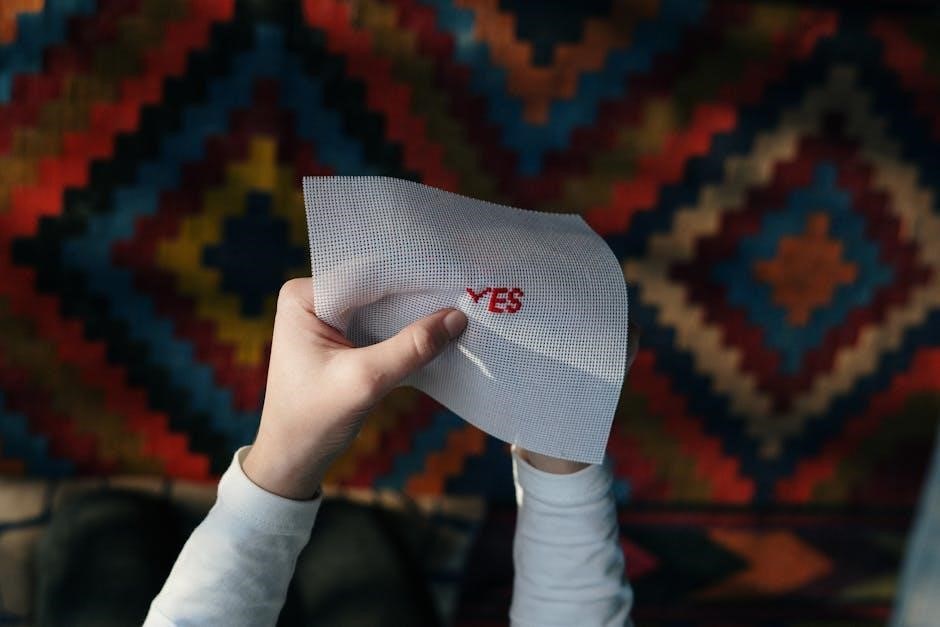
Final steps include washing, ironing, and mounting your completed piece․ Framing or gifting are popular options, showcasing your beautiful, handcrafted cross stitch creation!
Proper finishing preserves your work, ensuring its longevity and allowing you to proudly display or share your stitched masterpiece․
Washing and Ironing Your Finished Piece
Carefully washing your completed cross stitch is crucial for removing any lingering dirt or oils․ Use cool water and a mild detergent, gently agitating the fabric․ Avoid harsh scrubbing, which could distort the stitches․
Rinse thoroughly until all soap residue is gone․ To dry, lay the piece flat on a clean towel, reshaping it as needed․ Ironing should be done on a low setting, placing a pressing cloth between the iron and the stitched area to protect the floss․ This helps to smooth out any wrinkles and create a polished finish․
Always test a small, inconspicuous area first to ensure colorfastness․
Mounting and Framing Options
Presenting your finished cross stitch beautifully enhances its appeal․ Several mounting options exist, from simple stretching onto a canvas to more elaborate framing techniques․ Acid-free backing boards are essential to prevent discoloration over time․
Consider using a mat board to create a border around the stitched design, adding visual depth․ Framing can range from basic wooden frames to ornate, decorative styles․ Alternatively, you can create gifts like pillows or ornaments․
Ensure the glass or acrylic covering is UV-protective to safeguard the colors․
Creating Gifts with Your Cross Stitch
Finished cross stitch projects make incredibly thoughtful and personalized gifts․ Beyond framed pieces, consider transforming your stitching into unique items․ Small designs are perfect for ornaments, keychains, or embellishing greeting cards, adding a handmade touch․
Larger pieces can be incorporated into pillows, tote bags, or even quilted wall hangings․ Personalized gifts are especially cherished – stitch initials, dates, or meaningful quotes․
These handmade treasures demonstrate care and creativity, making them truly special․
Resources for Beginners
Beginner-friendly kits offer everything needed to start, while online tutorials and videos provide visual guidance․ Join cross stitch communities for support!
Explore forums and groups to connect with fellow stitchers, share tips, and find inspiration for your creative journey․
Beginner-Friendly Kits
Beginner kits are an excellent starting point, conveniently bundling all essential materials into one package․ These typically include Aida cloth, embroidery floss, a needle, and a printed pattern․
Kits often feature simplified designs with clear instructions, making them ideal for those new to the craft․ They eliminate the guesswork of sourcing individual supplies, providing a streamlined experience․
Look for kits specifically labeled as “beginner” or “easy” to ensure a manageable project․ Herrschners offers a variety of beginner kits, providing a solid foundation for learning counted cross stitch;
Online Tutorials and Videos
Online resources offer a wealth of visual guidance for learning counted cross stitch techniques․ YouTube is brimming with tutorials covering everything from basic stitches to advanced methods․
These videos demonstrate proper thread starting, stitch formation, and troubleshooting common issues, providing a clear understanding of the process․ Search for “cross stitch tutorial for beginners” to find helpful content․
Many websites also host detailed written tutorials with accompanying images, offering a comprehensive learning experience․ Utilize these resources to enhance your skills and confidence․
Cross Stitch Communities and Forums
Engaging with fellow enthusiasts is a fantastic way to learn and share your passion for counted cross stitch․ Online communities and forums provide a supportive environment for asking questions and receiving advice․
These platforms often feature galleries of completed projects, inspiring new ideas and techniques․ Share your work, participate in discussions, and connect with stitchers worldwide․
Facebook groups dedicated to cross stitch are also popular, offering a convenient space for exchanging tips, patterns, and encouragement․ Embrace the collaborative spirit of the crafting community!

Designers and Brands to Explore
Explore renowned designers like Heaven and Earth Designs, Artecy, and Herrschners for exceptional patterns․ Discover unique styles and high-quality kits to elevate your stitching!
Artecy also offers free designs within its Facebook group, expanding creative possibilities for all cross-stitch enthusiasts․
Heaven and Earth Designs
Heaven and Earth Designs is a highly respected name in the counted cross stitch world, celebrated for its incredibly detailed and often large-scale patterns; They specialize in breathtakingly realistic floral designs, majestic wildlife scenes, and captivating fairytale imagery․
Known for their extensive use of shading and color variations, Heaven and Earth Designs patterns offer a significant challenge and a stunning visual reward for dedicated stitchers․ Their kits often include high-quality materials, including DMC floss and detailed charts․
While their patterns can be complex, the finished results are truly works of art, making them a favorite among experienced cross-stitch enthusiasts seeking a rewarding project․
Artecy Designs
Artecy Designs is renowned for its whimsical and beautifully rendered cross stitch patterns, often featuring charming fairies, enchanting forests, and delightful animal companions․ They offer a wide range of designs, from smaller, quicker projects to more ambitious, long-term endeavors․
Artecy is particularly popular for its vibrant color palettes and intricate detailing, creating visually stunning finished pieces․ Many free designs are shared within the Artecy Facebook group, fostering a supportive community․
Their patterns appeal to stitchers who enjoy a touch of fantasy and a high level of artistic expression in their work․
Herrschners Patterns
Herrschners Patterns boasts a long-standing tradition of providing quality cross stitch designs, catering to a broad spectrum of tastes and skill levels․ They are well-known for their scenic patterns, particularly those depicting charming seaside scenes and cozy country landscapes․
Herrschners offers both complete kits and individual patterns, making it easy to start a new project․ Their designs often feature a classic, traditional aesthetic, appealing to those who appreciate timeless beauty․
Expect detailed charts and clear instructions, ensuring a satisfying stitching experience for all․


0 Comments