Wild Sheep Chase D&D One-Shot: A Comprehensive Plan (03/05/2026)
Today’s date is 03/05/2026 19:18:00 (). This detailed plan acknowledges the need for improvisation, moving beyond a rigid screenplay approach.
It aims to provide a flexible framework, anticipating player agency and potential deviations from the core narrative, ensuring a dynamic and engaging experience.
Welcome, Dungeon Masters, to a truly bizarre and unforgettable one-shot adventure: The Wild Sheep Chase! This campaign, inspired by Haruki Murakami’s surreal novel, blends mystery, quirky characters, and a surprisingly compelling quest centered around… well, a very special sheep. This document serves as a comprehensive guide, but remember the core tenet of successful DMing: adaptability.
The beauty of The Wild Sheep Chase lies in its inherent strangeness. Players will be thrust into a world where logic takes a backseat to the absurd, and where seemingly innocuous tasks unravel into something far more significant. Expect your players to question everything, and be prepared to embrace the unexpected. The provided structure is a suggestion, not a script.
As noted, rigid adherence to pre-planned details can be detrimental. Players will deviate; The goal isn’t to force them back onto a predetermined path, but to skillfully weave their choices into the existing narrative, maintaining the overall momentum and thematic resonance. Think of this guide as a toolbox, filled with elements you can deploy and modify as needed. The key is to give the illusion of player freedom while subtly guiding them towards the intended conclusion. This one-shot is about the journey, not just the destination.
II. Core Concepts & Themes
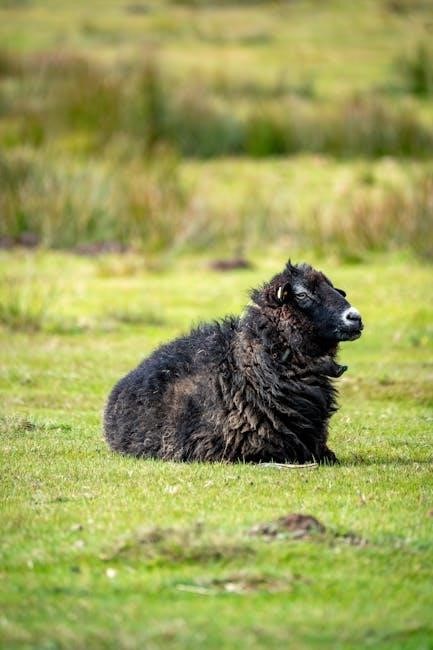
The Wild Sheep Chase isn’t simply about retrieving a magical sheep; it’s a journey into the surreal, exploring themes of identity, obsession, and the search for meaning in a chaotic world. The sheep itself represents something deeply personal to its owner, Noke, and its retrieval becomes a symbolic quest for lost connection.
Dreams and Reality Blur: Encourage a sense of unease and ambiguity. Players should question what is real and what is a product of someone’s imagination. Subtle shifts in the environment and the behavior of NPCs can contribute to this atmosphere.
The Power of Symbols: The sheep, the tower, the Bed Dragon – each element carries symbolic weight. Don’t explicitly explain these symbols to the players; allow them to interpret their meaning through their interactions and discoveries.
Embrace the Absurd: Lean into the inherent strangeness of the premise. Don’t be afraid to introduce bizarre encounters and illogical situations. This is where the adventure truly shines. Remember, improvisation is key to navigating unexpected player choices and maintaining narrative flow, adapting to their actions while subtly steering them towards the core themes.
III. The Premise: A Peculiar Request
The adventure begins with a desperate plea from Noke, an elderly woman residing in a secluded village. She seeks adventurers to recover a stolen sheep – not just any sheep, but a uniquely magical one with a distinctive, glowing fleece. This sheep isn’t valued for its wool or meat, but for its profound emotional significance to Noke; it’s intrinsically linked to a cherished memory.
Noke explains the sheep was taken by a shadowy figure, believed to be connected to a reclusive collector named Shinbright, who dwells within a crumbling, ruined tower. She offers a modest initial payment, but hints at a substantial reward upon the sheep’s safe return, contingent on its condition.
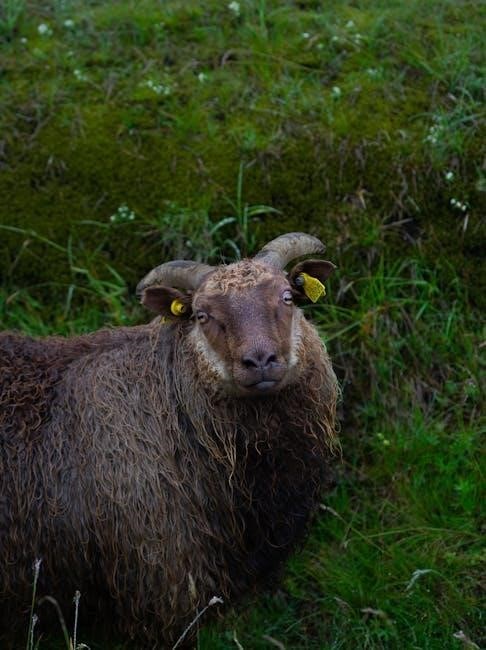
Complicating Factors: Noke is evasive about the sheep’s true nature and her connection to it. Players may need to press her for details. She’s also deeply anxious and prone to rambling, making it difficult to extract clear information. Be prepared for players to negotiate the payment or question the validity of the request before accepting the mission.
IV. Key NPCs
This one-shot revolves around a small cast of memorable characters, each with their own motivations and secrets. Understanding these NPCs is crucial for a dynamic game. Noke, the quest giver, is a frail, elderly woman haunted by a past she’s reluctant to reveal; Her desperation masks a deeper emotional connection to the stolen sheep, driving her peculiar request.
Shinbright, the primary antagonist, is a mysterious collector obsessed with rare and unusual items. He’s reclusive, eccentric, and possesses a network of informants. His motives for acquiring the sheep are unclear – is it for its magical properties, its aesthetic value, or something else entirely?
Supporting characters, like villagers in Hommlet, can provide clues or red herrings. Consider adding a local gossip or a skeptical guard to enrich the world. Remember to encourage improvisation; players may interact with NPCs in unexpected ways, requiring you to adapt and expand upon these initial character sketches.
V. Noke – The Eccentric Client
Noke is an elderly woman, appearing frail and somewhat disoriented. She’s dressed in mismatched clothing, hinting at a declining mental state, but her eyes hold a spark of desperate determination. She offers the adventurers a seemingly absurd quest: retrieve her stolen sheep. Her initial payment is meager, reflecting her limited resources, but she promises a substantial reward upon the sheep’s safe return.
Don’t reveal Noke’s full story immediately. Let players uncover clues about her past through questioning and investigation. She was once a respected scholar, studying ancient lore, and the sheep isn’t merely livestock – it’s connected to a forgotten ritual or a powerful artifact.
Be prepared to improvise her reactions. If players demand a larger upfront payment, she might reluctantly offer a family heirloom. If they dismiss her quest, she could plead with them, revealing fragments of her tragic history. Her vulnerability is her strength, drawing players into her peculiar world.

VI. Shinbright – The Mysterious Collector
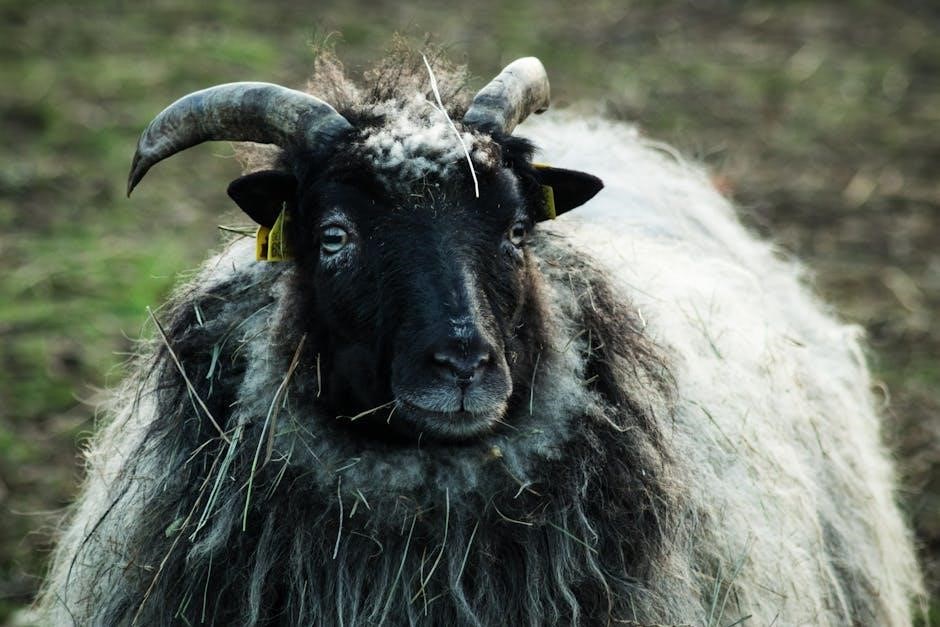
Shinbright is an enigmatic figure, a collector of rare and unusual items. He operates from the ruined tower, surrounded by arcane artifacts and guarded by trained apes. He’s impeccably dressed, radiating an air of refined sophistication, yet his motives remain shrouded in secrecy. He possesses a keen intellect and a subtle manipulative streak.
Shinbright isn’t inherently evil, but he’s driven by an insatiable desire for unique possessions. He stole Noke’s sheep believing it to be a key component in a larger, forgotten ritual. He’s willing to negotiate, but only if the adventurers can offer something of equal value – or prove they understand the sheep’s true significance.
Prepare a secret room within the tower, accessible only by speaking a password in Elven (improvised if needed!). This room contains Shinbright’s treasure and serves as the location for the final exchange. Be ready to adapt his behavior based on player actions; he might offer clues, issue threats, or attempt to deceive them;
VII. Locations & Encounters
The Wild Sheep Chase unfolds across a limited, yet evocative, set of locations. The adventure begins in the quaint Village of Hommlet, a seemingly peaceful settlement harboring secrets and wary locals. Initial encounters here focus on gathering information about Noke and the stolen sheep, relying heavily on roleplaying and investigation.
The primary location is the Ruined Tower, Shinbright’s lair. This crumbling structure presents both environmental challenges and combat encounters. Expect a challenging Ape Encounter guarding the tower’s entrance, followed by puzzle-solving elements within its decaying walls. Be prepared to improvise alternative entry points, like windows or hidden passages.
Remember to emphasize the atmosphere of each location. The village should feel rustic and lived-in, while the tower should exude an aura of mystery and decay. Flexibility is key; allow players to interact with the environment in unexpected ways, adapting encounters as needed to maintain narrative flow and player agency.
VIII. The Village of Hommlet – Initial Investigation
Hommlet serves as the adventure’s starting point, a seemingly idyllic village concealing underlying tensions. Players should begin by questioning villagers – the baker, the innkeeper, and the local guard are key sources of information. Encourage roleplaying; villagers may be hesitant to share details about Noke, describing her as eccentric or unsettling.
Potential leads include rumors of strange lights emanating from the Ruined Tower, and whispers about Shinbright, a reclusive collector. Players might uncover Noke’s unusual requests for specific herbs or materials, hinting at her magical practices. Be prepared for red herrings and misleading information, adding layers to the investigation.
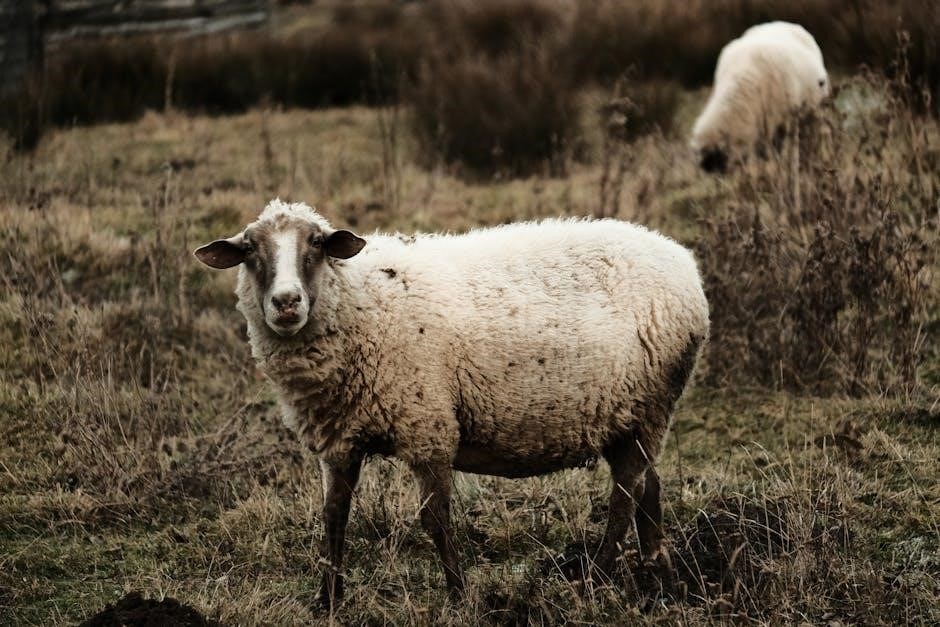
Remember player agency. If they attempt unconventional approaches – like bribing villagers or using divination magic – adapt accordingly. The goal is to establish a sense of mystery and intrigue, prompting players to pursue Noke and the stolen sheep. Allow for creative problem-solving and reward thorough investigation.
IX. The Ruined Tower – Ape Encounter & Puzzle Solving
The Ruined Tower presents both a combat challenge and an intellectual hurdle. Upon approaching, players encounter a troop of aggressive apes guarding the entrance – their tactics are primarily brute force and swarming. Consider environmental factors; the tower’s crumbling structure offers both cover and potential hazards.
Inside, the tower’s interior is a labyrinth of decaying chambers. A central puzzle, involving rotating stone blocks with arcane symbols, blocks access to the upper levels. The solution requires deciphering a riddle found etched into a nearby wall, testing players’ intelligence and observation skills.
Be flexible! If players bypass the apes via climbing or stealth, adjust the encounter accordingly. The puzzle’s difficulty can be scaled based on party level. Success unlocks the path to the tower’s summit, bringing them closer to understanding the sheep’s significance and Shinbright’s involvement. Remember to describe the tower’s atmosphere – eerie, decaying, and filled with a sense of forgotten magic.
X. The Sheep & Its Significance
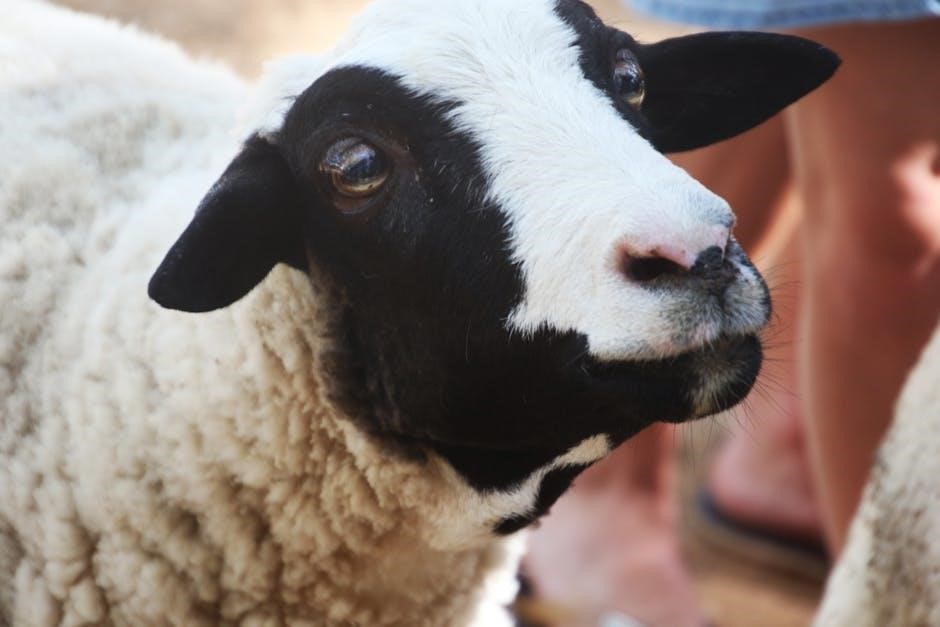
The sheep isn’t merely a farm animal; it’s a vessel, subtly imbued with potent magical energy. Shinbright, the collector, desires it not for its wool or meat, but for this inherent power – a residual echo of a forgotten deity associated with dreams and illusions.
Its fleece radiates a faint, almost imperceptible aura detectable by magical means (Detect Magic). Prolonged exposure to the sheep induces vivid, prophetic dreams, though interpreting these visions is challenging. The sheep itself is surprisingly docile, seemingly unaware of its unique properties.
Noke’s initial request is deliberately vague, masking the true nature of the sheep. Players might uncover clues through investigation, questioning NPCs, or analyzing the sheep’s magical signature. The sheep’s significance escalates as the adventure progresses, ultimately linking to the Bed Dragon and Shinbright’s ultimate goal: harnessing the dream energy for personal gain. Be prepared for players to ignore the sheep entirely – adapt the narrative to reflect their choices!
XI. The Bed Dragon – Guardian & Challenge
The Bed Dragon isn’t a traditional, fire-breathing behemoth. It’s a creature of dreams and nightmares, manifesting as a large, serpentine dragon composed of blankets, pillows, and bedsheets. It guards the sheep, not out of malice, but as a protector of the dream energy it embodies.
Combat with the Bed Dragon is unconventional. Traditional weapons have limited effect; attacks dealing radiant or psychic damage are more effective. The dragon can lull characters to sleep with its soothing presence or trap them within illusory dreamscapes.
Noke, if present, might attempt to distract the dragon, potentially using a concoction to create a smokescreen (as improvised in previous playthroughs). The dragon’s weakness lies in disrupting its connection to the dream realm – loud noises, bright lights, or dispelling magic can weaken it. Remember to allow for player creativity; climbing, flanking, or exploiting the environment should be viable strategies.
XII. Combat Encounters – Detailed Breakdown
This section details the two primary combat encounters: the Ape encounter within the Ruined Tower and the confrontation with the Bed Dragon. Remember, player choices can significantly alter these encounters, demanding improvisation.
Ape Encounter: These are not mindless beasts. They are territorial and intelligent, utilizing the tower’s structure for ambushes. Consider their tactics – throwing debris, flanking maneuvers, and attempting to knock players from heights. Adjust the number of apes based on party size and level.
Bed Dragon Encounter: As previously noted, this fight is less about brute force and more about exploiting the dragon’s vulnerabilities. Encourage players to think creatively. Allow for alternative solutions beyond direct combat, such as disrupting its dream connection or negotiating. Be prepared to adapt to unexpected strategies, like utilizing environmental elements or magical effects.
Prioritize dynamic descriptions and reactive storytelling to enhance engagement.
XIII. Ape Encounter Tactics & Adjustments
The apes aren’t simply aggressive; they’re cunning and utilize the Ruined Tower’s environment to their advantage. Expect them to employ hit-and-run tactics, throwing rocks and debris from higher levels. They’ll attempt to flank the party, forcing difficult choices and potentially isolating weaker members.
Adjustments for Party Size: For smaller parties (3-4 players), reduce the number of apes to 4-6. For larger groups (5+), increase the number to 8-10. Consider adding an ‘alpha’ ape with slightly higher stats and a leadership ability, coordinating attacks.
Climbing & Maneuvering: If players attempt to climb or bypass the apes, make it a skill challenge. Success grants them a tactical advantage, but failure could lead to a fall or an ambush.
Environmental Hazards: Utilize the crumbling tower structure. Loose stones, unstable platforms, and narrow passages can add complexity and danger to the encounter. Remember to reward creative problem-solving!
XIV. Bed Dragon Combat Strategy & Weaknesses
The Bed Dragon isn’t a traditional, fire-breathing dragon. It’s a creature of dreams and illusions, relying on psychic attacks and manipulating the environment – specifically, the bedding and surrounding room – to disorient and overwhelm its foes. Expect it to create illusory duplicates and shifting terrain.
Tactics: The dragon favors a ‘hit-and-fade’ strategy, using its illusory abilities to become difficult to target. It will attempt to separate party members and exploit their fears. It also utilizes the bed itself as a weapon, causing it to shake violently or even launch pillows as projectiles.
Weaknesses: The Bed Dragon is vulnerable to bright light and strong displays of willpower; Spells like Daylight or abilities that impose disadvantage on its psychic attacks are highly effective. It’s also surprisingly susceptible to mundane damage when its illusions are dispelled.
Improvisation Note: Remember Noke’s potential intervention with a toxic smoke cloud! This can significantly alter the battlefield and provide the players with an opening.
XV. Potential Player Derailments & Improvisation
Players will deviate. Accepting this is crucial. If they ignore the sheep, perhaps Shinbright offers a compelling alternative reward, framing the quest as a test of their abilities rather than solely about the fleece. If they demand upfront payment, consider a partial advance, emphasizing Noke’s desperation and limited resources.
Regarding bypassing the ape encounter – a tree climb and window entry are perfectly valid! Adjust the tower’s interior description to reflect this, perhaps adding a precarious climb or a hidden ledge. Remember, the goal isn’t to force a specific path, but to guide them towards the core narrative;
Key to Improvisation: Give the illusion of choice. Allow their actions to have consequences, but subtly steer them back towards the main plot. Noke’s cauldron trick is a fantastic example – a spontaneous solution that maintains momentum. Prepare to invent details on the fly, like Shinbright’s secret elven-locked treasure room, rewarding clever players.
XVI. Handling Unexpected Choices & Maintaining Narrative Flow

Embrace the chaos! Unexpected player choices aren’t failures; they’re opportunities. The core of “Wild Sheep Chase” lies in the journey, not rigidly adhering to pre-defined steps. If players pursue a tangent, acknowledge it, and weave it back into the main storyline. For example, a deep dive into Hommlet’s history could reveal a clue about Shinbright’s past, enriching the narrative.
“Yes, and…” is your mantra. Avoid shutting down ideas. Instead, build upon them. If they attempt a wildly improbable action, assess the risk and reward, then determine a plausible outcome, even if it requires significant improvisation.
Maintain narrative flow by focusing on cause and effect. Every action should have a reaction, propelling the story forward. Don’t be afraid to subtly alter NPC motivations or introduce new obstacles to redirect players without feeling manipulative. Remember, the goal is a collaborative storytelling experience, where player agency feels meaningful and the ultimate destination remains consistent.



0 Comments